Vanda limbata
Blume 1849
Section Deltoglossa
Version française complète ci-dessous.
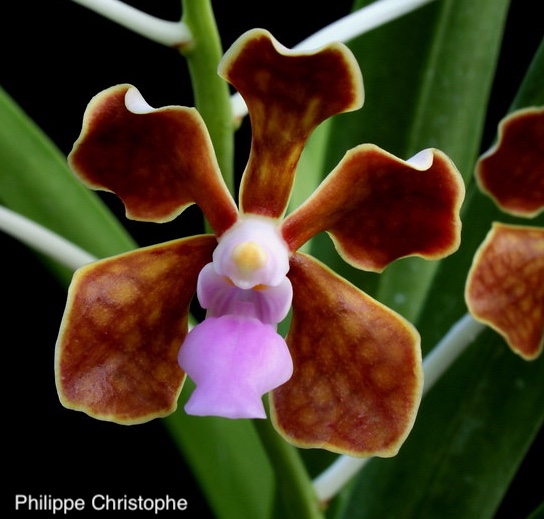
Vanda limbata, with fragrant flowers ranging from brown to yellow and its distinctive pink lip, holds a particular significance within the genus. An elegant species closely associated with Java and Nusa Tenggara (the Lesser Sunda Islands) in Indonesia, it belongs to a vast complex of species across the archipelago. It is also one of the first Southeast Asian Vandas to have been described by Blume in 1825.
The work and discoveries of Carl Ludwig Blume in botany, and more particularly in orchids, are considerable. Although of German origin, he was a botanist for the government of the Dutch East Indies and became director of the renowned Bogor Botanical Garden (formerly Buitenzorg). His major work is the publication Rumphia, dealing with the flora of Java. In volume IV (1849), Vanda limbata is described.
The species belongs to a taxonomic complex of the section Deltoglossa covering a very wide geographical area within the Indonesian archipelago. This taxonomic situation is complex and subject to future changes through new studies and/or DNA analyses.
At Java begins the range of Vanda limbata, growing from sea level up to 700 m, which implies cultivation in warm conditions. The main form found on the island is an attractive brown, moderately tessellated form. A second form is yellow, more densely tessellated.
To the east, from Lombok to Flores, Vanda limbata is replaced by Vanda perplexa.
Always progressing through Nusa Tenggara (the Lesser Sunda Islands), and further east of Timor, the very rare Vanda punctata is found on isolated islands in the extreme southeastern Moluccas, such as Yamdena.
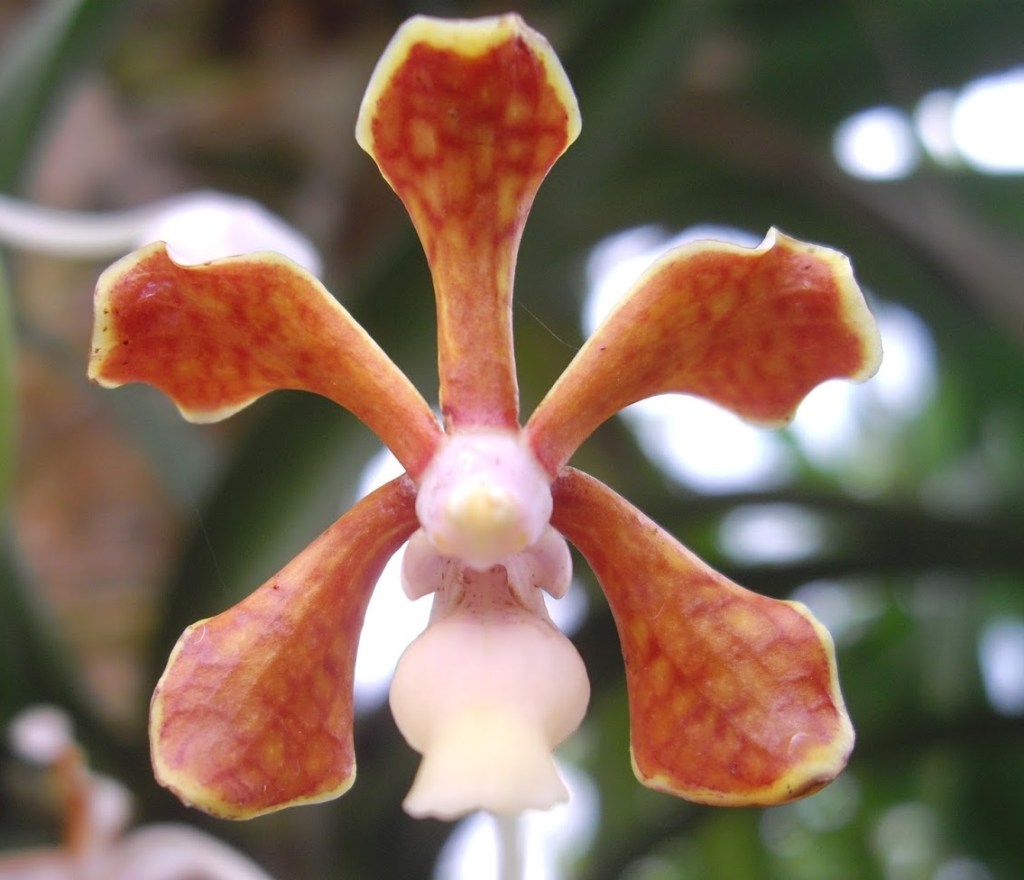
There is a “flava” form of Vanda limbata, yellowish and uncommon.
Another emblematic species of the section Deltoglossa is Vanda merrillii, sharing the same broad taxonomic framework, but with a distinct geographical distribution across the Indonesian and Philippine archipelagos.
You will find on this site, coming very soon, an article on Vanda perplexa as well as another allowing distinction between these two often-confused species.
Vanda limbata was generally cited as occurring in the Philippine archipelago. Indeed, the reported specimens showed undeniable similarities with this taxon but also clear differences, and no study had been carried out. The botanist and taxonomist Martin Motes clarified the situation and demonstrated the existence of a distinct species in the Philippines, named Vanda mariae.
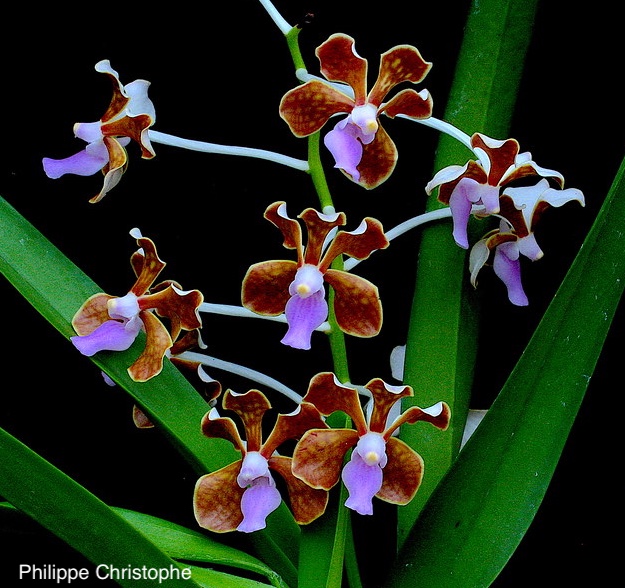
The name “limbata” is derived from the Latin “limbatus”, meaning “bordered or edged”, referring to the margin around petals and sepals.
Distribution
In Indonesia, mainly Java and Madura. Destario Metusala relates that the geographical transition between Vanda limbata and Vanda perplexa occurs from Lombok to Flores. Martin Motes mentions a form of Vanda limbata also in Flores.
Flowers
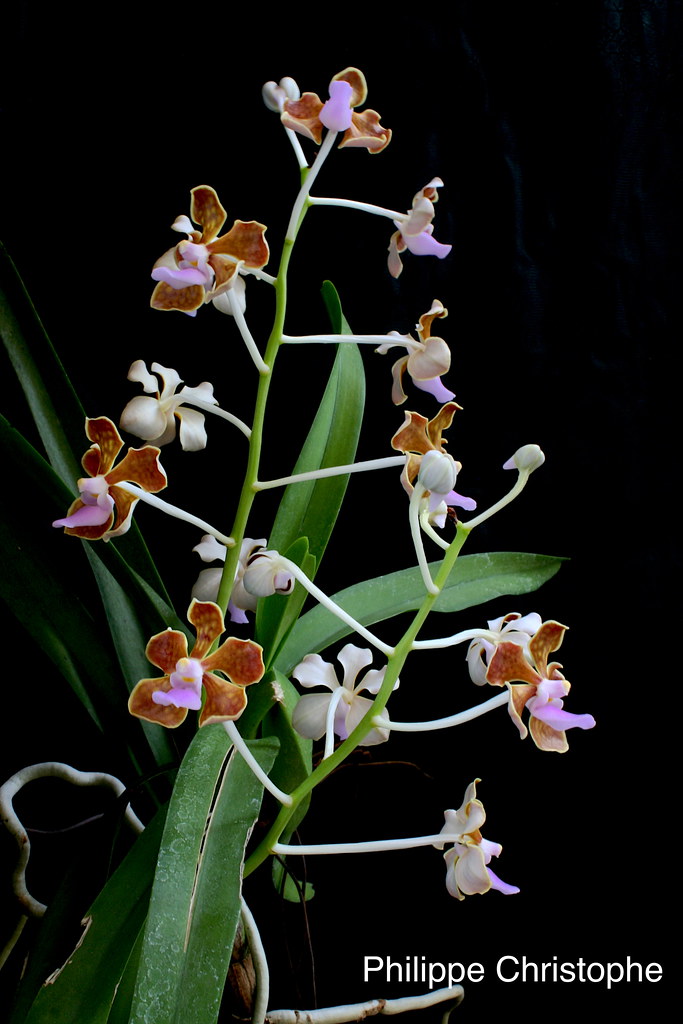
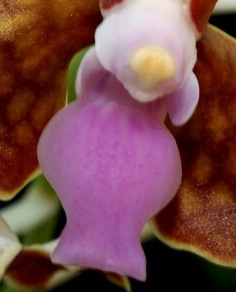
4 cm, bright and pleasantly fragrant during the day. Sepals and petals brown, slightly undulate. Lip matte rose-magenta, pandurate, with a median constriction reminiscent of a violin shape and 5 to 7 keels at its base. Margin around the tepals. Lateral lobes small and rectangular.
Inflorescence
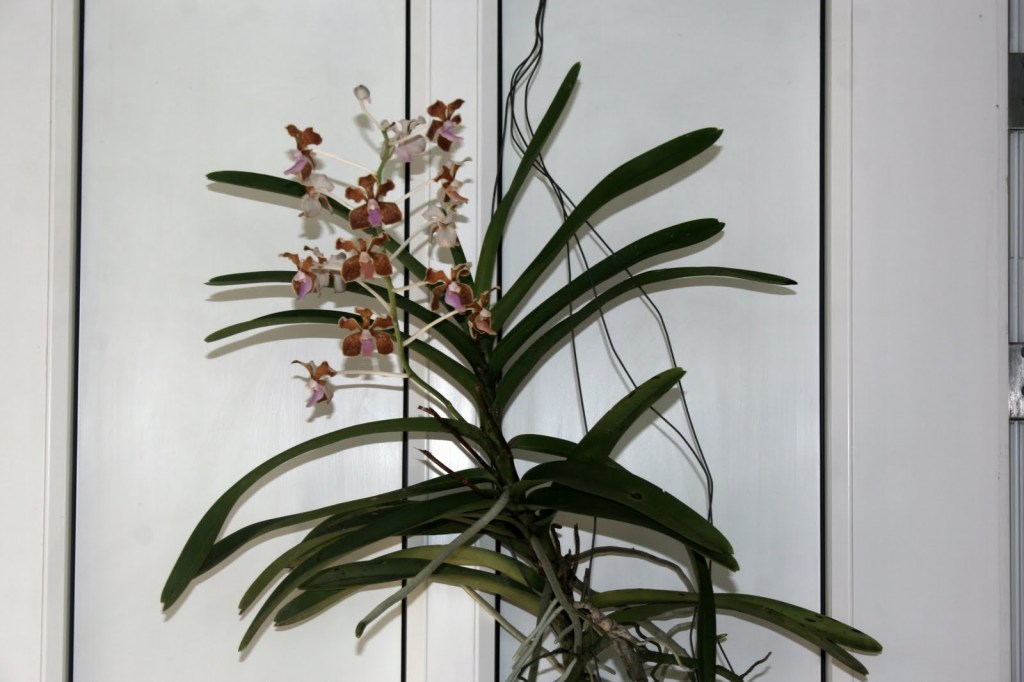
15 to 20 flowers, sub-erect, up to 30 cm and longer than the leaves.
Plant
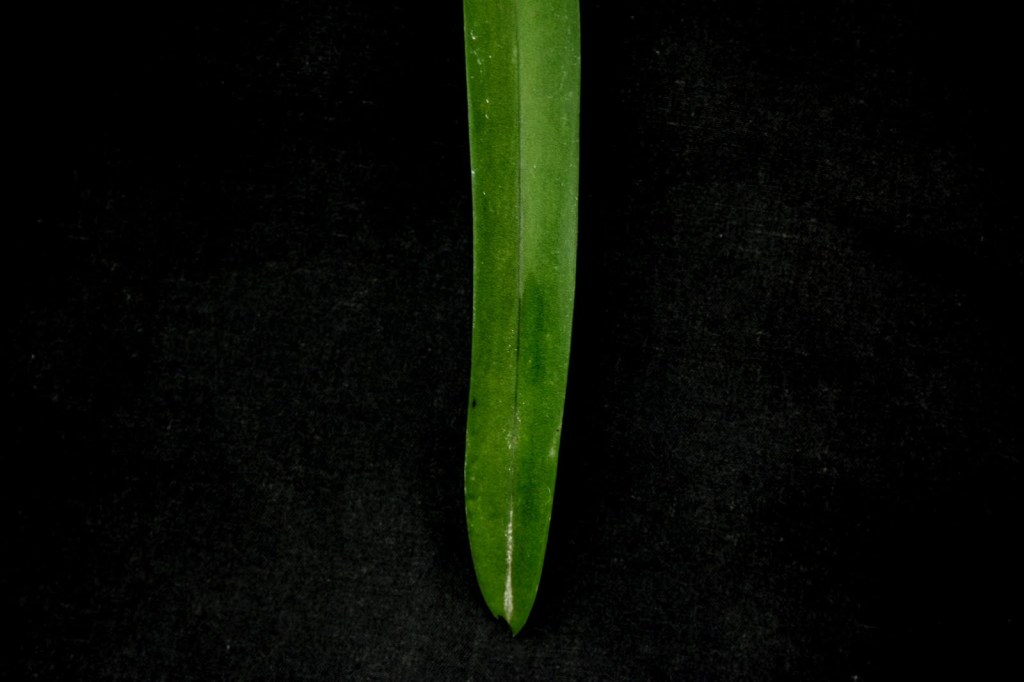
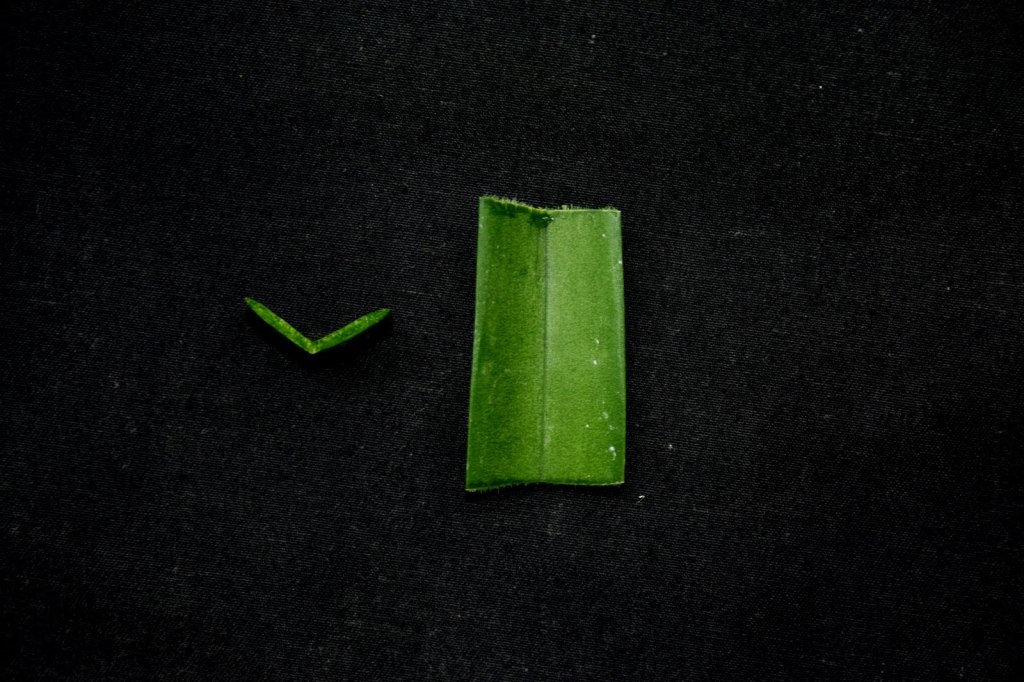
Large plant, sometimes exceeding one meter. Leaves recurved and canaliculate, irregularly toothed at the apex.
Version française
Vanda limbata
Blume 1849
Section Deltoglossa
Vanda limbata, aux fleurs parfumées variant du brun au jaune et dotée d’un labelle rose distinctif, occupe une place particulière au sein du genre. Espèce élégante étroitement associée à Java et à Nusa Tenggara (les Petites îles de la Sonde) en Indonésie, elle appartient à un vaste complexe d’espèces réparties dans tout l’archipel. Elle fait également partie des premières Vanda d’Asie du Sud-Est décrites par Blume en 1825.
Les travaux et découvertes de Carl Ludwig Blume en botanique, et plus particulièrement en orchidologie, sont considérables. Bien que d’origine allemande, il fut botaniste au service du gouvernement des Indes orientales néerlandaises et devint directeur du célèbre jardin botanique de Bogor (anciennement Buitenzorg). Son œuvre majeure est la publication Rumphia, consacrée à la flore de Java. Dans le volume IV (1849), Vanda limbata y est décrite.
L’espèce appartient à un complexe taxonomique de la section Deltoglossa, couvrant une très vaste aire géographique au sein de l’archipel indonésien. Cette situation taxonomique est complexe et susceptible d’évoluer à l’avenir en fonction de nouvelles études et/ou analyses ADN.
À Java commence l’aire de répartition de Vanda limbata, qui pousse du niveau de la mer jusqu’à 700 m d’altitude, ce qui implique une culture en conditions chaudes. La forme principale observée sur l’île est une forme brune attrayante, modérément tessellée. Une seconde forme est jaune, plus fortement tessellée.
Vers l’est, de Lombok à Flores, Vanda limbata est remplacée par Vanda perplexa.
En poursuivant à travers Nusa Tenggara (les Petites îles de la Sonde), puis plus à l’est de Timor, on trouve la très rare Vanda punctata sur des îles isolées à l’extrême sud-est des Moluques, comme Yamdena.
Il existe une forme « flava » de Vanda limbata, jaune et peu commune.
Une autre espèce emblématique de la section Deltoglossa est Vanda merrillii, partageant le même cadre taxonomique large, mais avec une répartition géographique distincte au sein des archipels indonésien et philippin.
Vous trouverez sur ce site, très prochainement, un article consacré à Vanda perplexa, ainsi qu’un autre permettant de distinguer ces deux espèces souvent confondues.
Vanda limbata était généralement citée comme présente dans l’archipel des Philippines. En effet, les spécimens rapportés montraient des similitudes indéniables avec ce taxon, mais également des différences nettes, et aucune étude approfondie n’avait été réalisée. Le botaniste et taxonomiste Martin Motes a clarifié la situation et démontré l’existence d’une espèce distincte aux Philippines, nommée Vanda mariae.
Le nom « limbata » est dérivé du latin « limbatus », signifiant « bordé » ou « entouré d’une bordure », en référence aux marges autour des pétales et des sépales.
Répartition
En Indonésie, principalement Java et Madura. Destario Metusala indique que la transition géographique entre Vanda limbata et Vanda perplexa se situe de Lombok à Flores. Martin Motes mentionne également une forme de Vanda limbata à Flores.
Fleurs
4 cm, brillantes et agréablement parfumées en journée. Sépales et pétales bruns, légèrement ondulés. Labelle rose-magenta mat, panduré, présentant un étranglement médian rappelant une forme de violon et 5 à 7 carènes à sa base. Marge marquée autour des tépales. Lobes latéraux petits et rectangulaires.
Inflorescence
15 à 20 fleurs, sub-érigée, pouvant atteindre 30 cm et plus longue que les feuilles.
Plante
Grande plante, pouvant parfois dépasser un mètre. Feuilles récurvées et canaliculées, irrégulièrement dentées à l’apex.
References / Bibliography
- Kew Species Database
- Grove, David L. (1995). Vandas and Ascocendas.
- Motes, Martin R. (1997). Vandas, their Botany, History, and Culture.
- Metusala, Destario. Variation in Indonesian Vanda species. Renziana Vol. 3.
- Handoyo, Frankie (2010). Orchids of Indonesia Vol. 1.
- Motes, Martin R. (2021). The Natural Genus Vanda.
- O’Byrne, Peter (2001). A to Z of South East Asian Orchid Species Vol. 1.
- Roguenant, C. & Chiron, G. Vandas et genres voisins : des orchidées spectaculaires.

