Vanda coerulea
Griffith ex Lindley, 1847
Section Longicalcarata
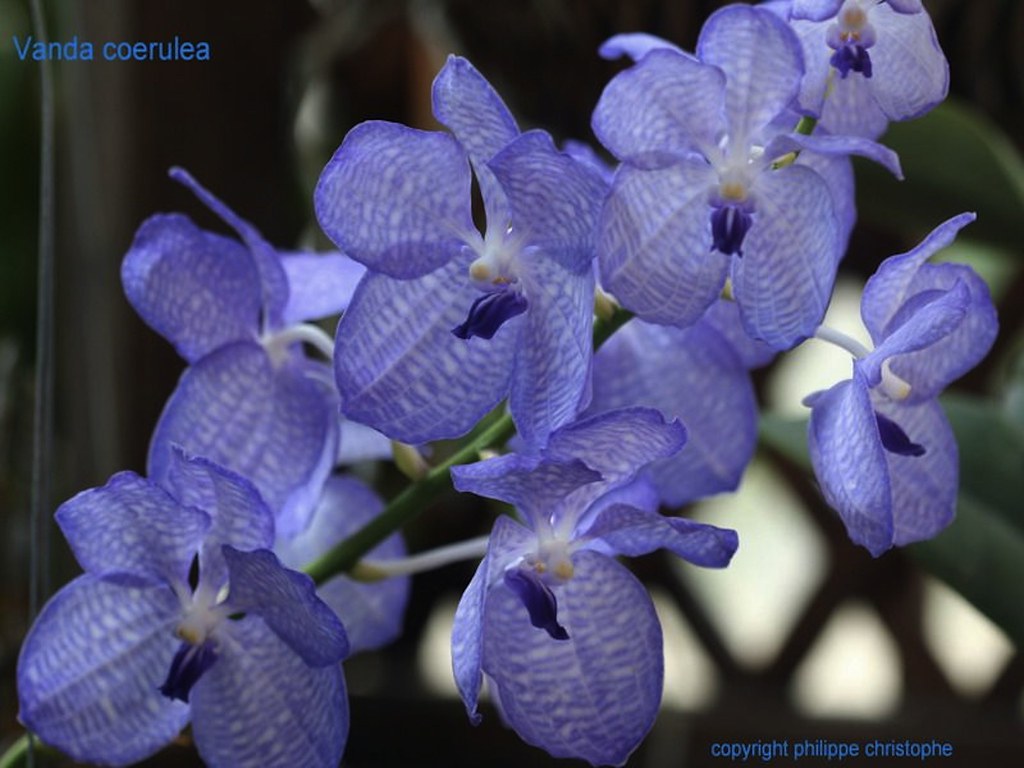
Vanda coerulea – bright azure flower spikeBotanical species overview, taxonomy, colour forms and identification notes of Vanda coerulea.
Below, you will find the other color forms of Vanda coerulea described but not recognized by Kew. Scroll down to see each form in detail.
- f. alba, the pure white form
- f. delicata, the pink form
- f. rogersii, the pale blue form
A legendary species within the genus, Vanda coerulea is truly exceptional for the size, shape, texture and, of course, the colour of its flowers.
Version française complète ci-dessous.
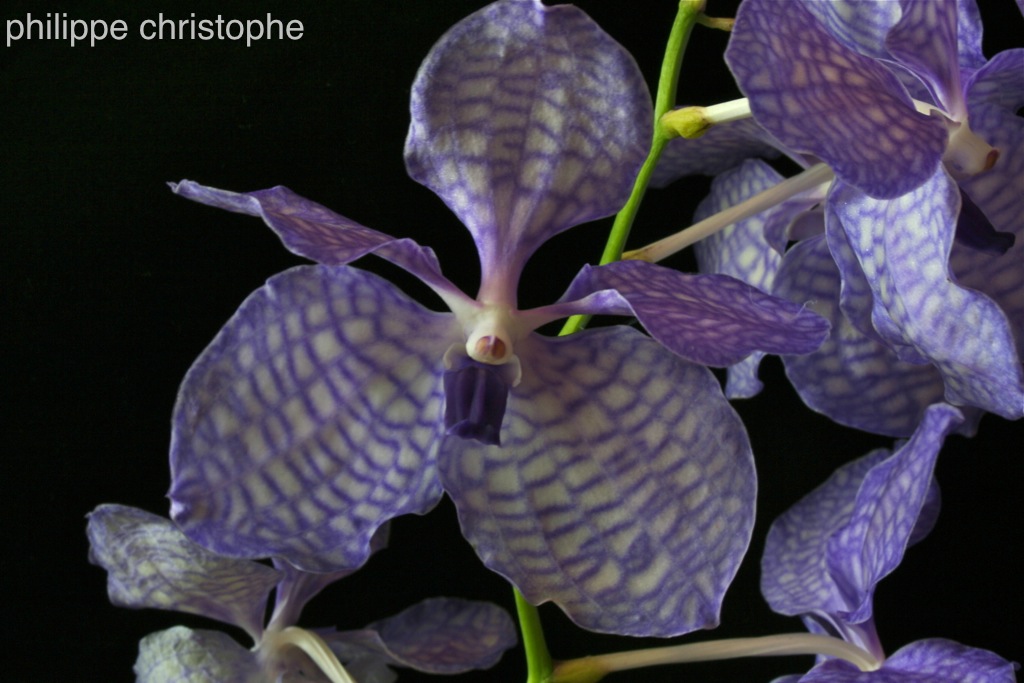
Blue being a colour very rarely encountered among orchids, Vanda coerulea has played a major role in hybridization. All blue-flowered Vanda hybrids, as well as many other intergeneric hybrids (Vandachostylis, Renantanda, etc.), have this species among their parents. But the contribution of Vanda coerulea to hybridization does not stop at colour: plants are cold-tolerant, vigorous, floriferous, and often flower several times a year, producing numerous large flowers along an inflorescence held well above the leaves, and the species tends to transmit these characteristics to its descendants. The tessellated flowers found in many hybrids, especially pink ones, are also inherited from Vanda coerulea.
In 1970, this species was listed under CITES Appendix I, but following the recent discovery of new populations, it was downgraded to Appendix II. This is encouraging news, but one can only hope that these sites will be preserved and not plundered: plants originating from wild collection, probably from Shan State in Myanmar, are already being found for sale in border markets and even in Bangkok.
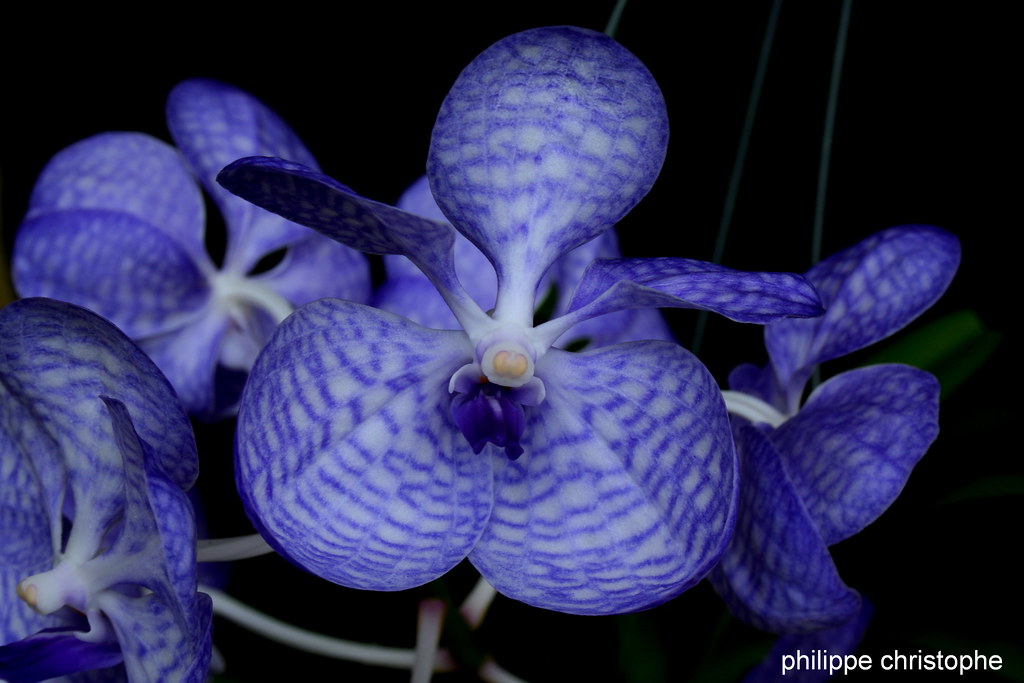
So-called “improved” plants of Vanda coerulea are found on the market, “improved” as opposed to so-called “jungle type” plants, with petals and sepals as long as wide, without any window between them, and very large flowers bearing untwisted petals. They result from multiple crossings intended to satisfy enthusiasts looking for spectacular specimens. These are also the plants commonly seen in competitions. However, the lateral lobes bent backward in a very sharp hook, an essential characteristic of Vanda coerulea, are often absent in these so-called “improved” forms. The leaves are also longer than those of plants found in their natural habitat.
De facto, Martin Motes notes in his work on the genus Vanda that, according to DNA analysis carried out by Dr Surawit Wannakrairoj in Thailand, these improved plants are in fact hybrids. It is therefore all the more important to preserve true Vanda coerulea.
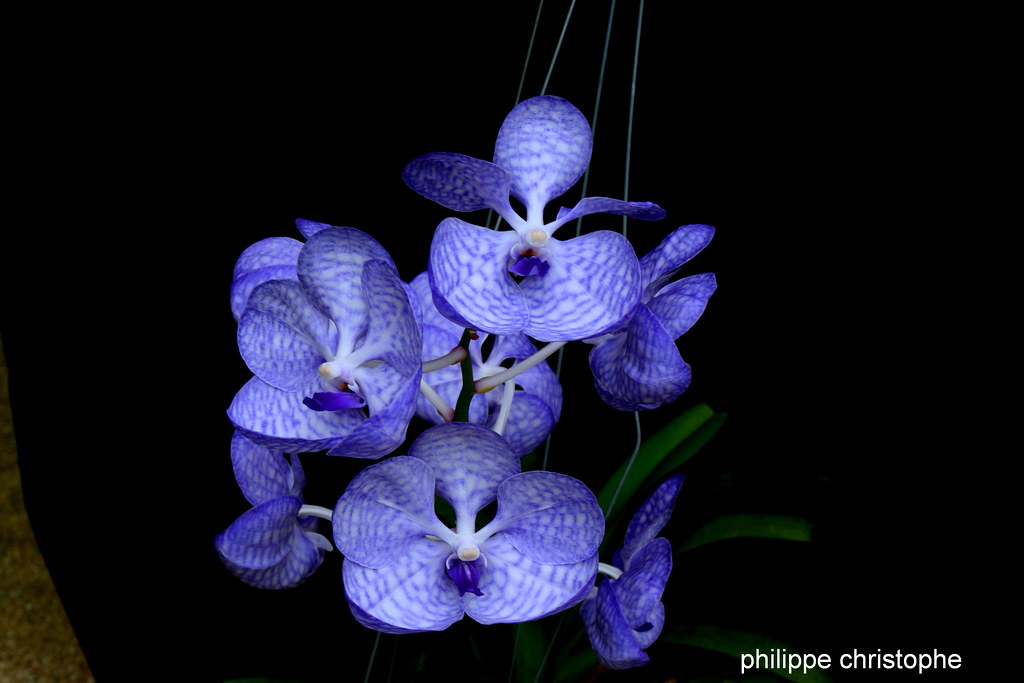
The features allowing easy distinction between a true Vanda coerulea and a hybrid are the sharply hooked lateral lobes, the angle of the leaves in relation to the stem, and the limited width of the plant.
Caeruleus in Latin means “blue”, and caerula refers to “the azure of the sky”.
Vanda coerulea is a typically mountain species, up to 2400 m, thriving in very bright light, often full sun, yet capable of tolerating brief periods of snowfall. To flower under optimal conditions, sometimes multiple times per year with well-filled inflorescences, the plants must experience a period of colder temperatures. The main reason this magnificent species often struggles in cultivation is the neglect of this essential requirement. It should also be noted that, due to these characteristics, Vanda coerulea cannot fully express its potential when grown in the tropical lowlands.
Vanda coerulea was discovered in the Khasi Hills in Assam, northeastern India, in the first half of the nineteenth century and quickly became one of the most admired orchid species introduced into Europe because of its exceptional blue coloration. The species was formally described in 1847 by John Lindley from plants collected by William Griffith.
Major species such as Vanda sanderiana and Vanda coerulea remain essential references in understanding the taxonomy and hybrid history of the genus Vanda.
Natural hybrids
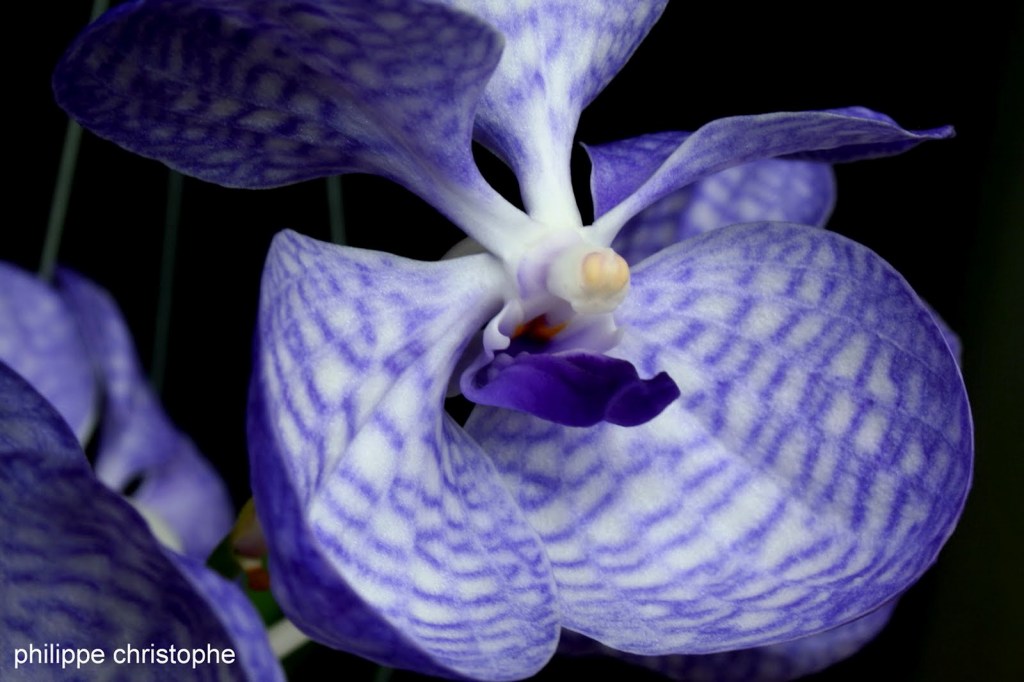
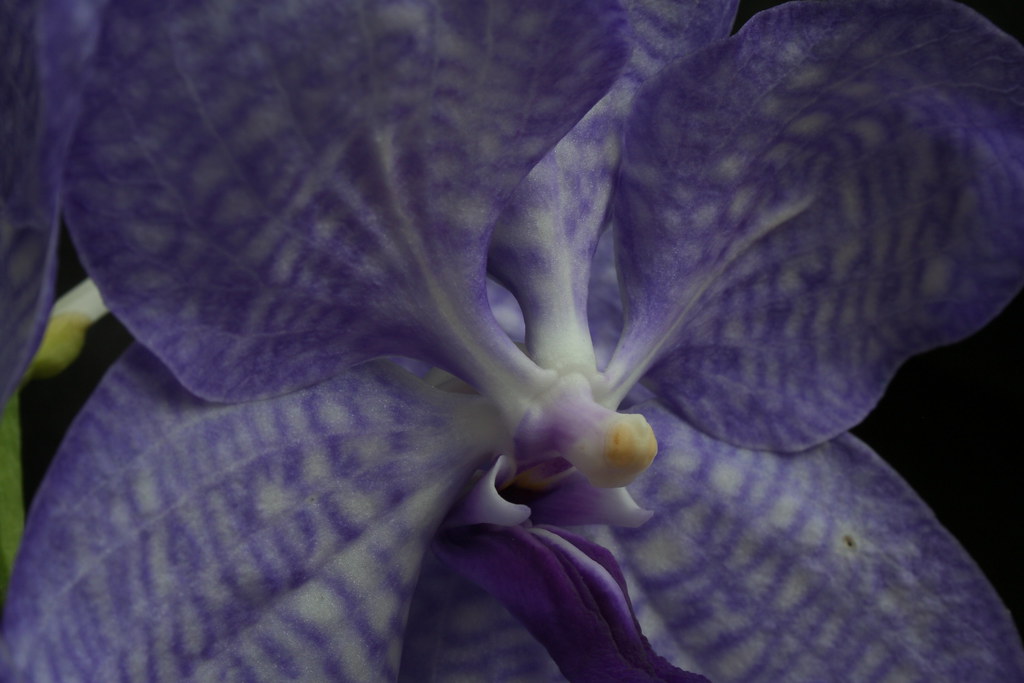
To date, two natural hybrids of Vanda coerulea have been officially described: the “historical” Vanda x amoena and the very recently described Vanda x wuii.
Vanda x amoena, the natural hybrid between Vanda coerulea and Vanda tessellata (Vanda roxburghii at the time), was documented as early as 1897 in The Gardiner’s Chronicle and, albeit erroneously, in Lindenia 13: t. 591. The historical illustrations by Nellie Roberts depict flowers with rather pastel tones, displaying characteristic traits inherited from both parents. It should be noted that in 1959, the human-made, so-called artificial hybridization between Vanda coerulea and Vanda tessellata was registered under the name Vanda Violeta. Available photographs reveal a cross relatively different from Nellie Roberts’ sketches, where the influence of Vanda coerulea appears markedly stronger than that of Vanda tessellata. The Kew database proposes the distribution area of Vanda x amoena as Assam and the states of northeastern India.
Conversely, it was only very recently, in 2021, that Vanda x wuii, the natural hybrid between Vanda coerulea and Vanda brunnea, was described. It was named in honor of Wu Yupeng, who discovered it. The available documentation in The Natural Genus Vanda allows us to observe a plant and flowers extremely similar in appearance to Vanda coerulea, though displaying a violaceous-brown coloration along with large circular lateral lobes and a long, arched, widely diverging lip, clearly inherited from Vanda brunnea. The habitat of Vanda x wuii remains uncertain for now, as the description was made from plants originating from southern China.
Distribution
Northern Myanmar (Burma), southern and southwestern Yunnan in China, northeastern India (Khasia Hills, Assam), and northern Thailand.
Vernacular names
Myanmar: Moe Lone Hmine
China: Da Hua Wan Dai Lan (大花万代兰)
Manipur (India): Kwak Lei (ক্ৱাকলৈ)
Thailand: Fa Mui
Flowers
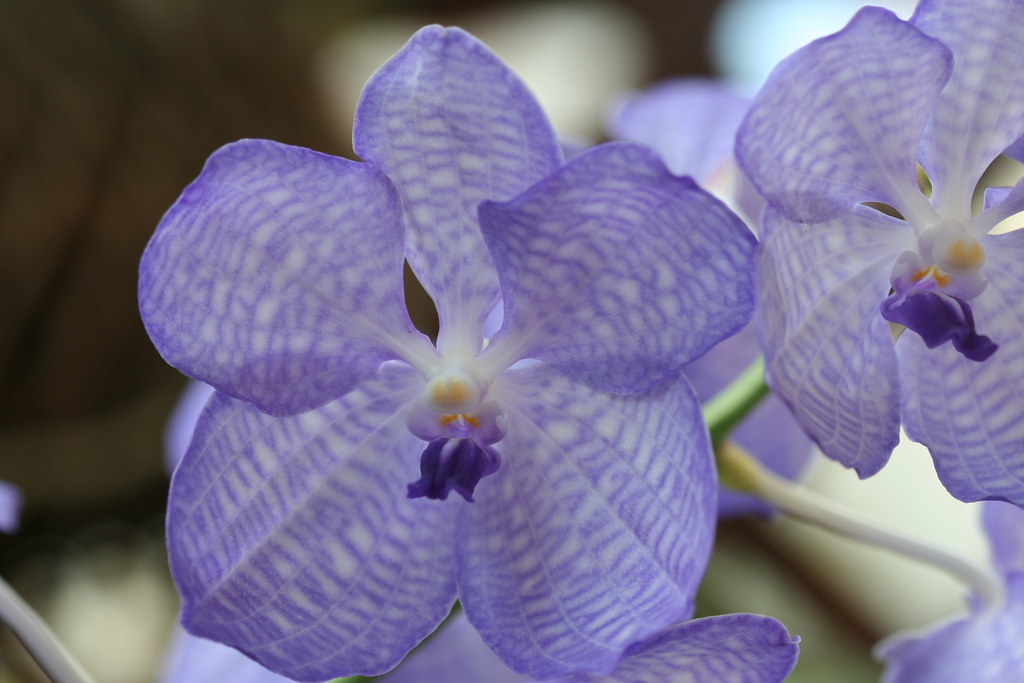
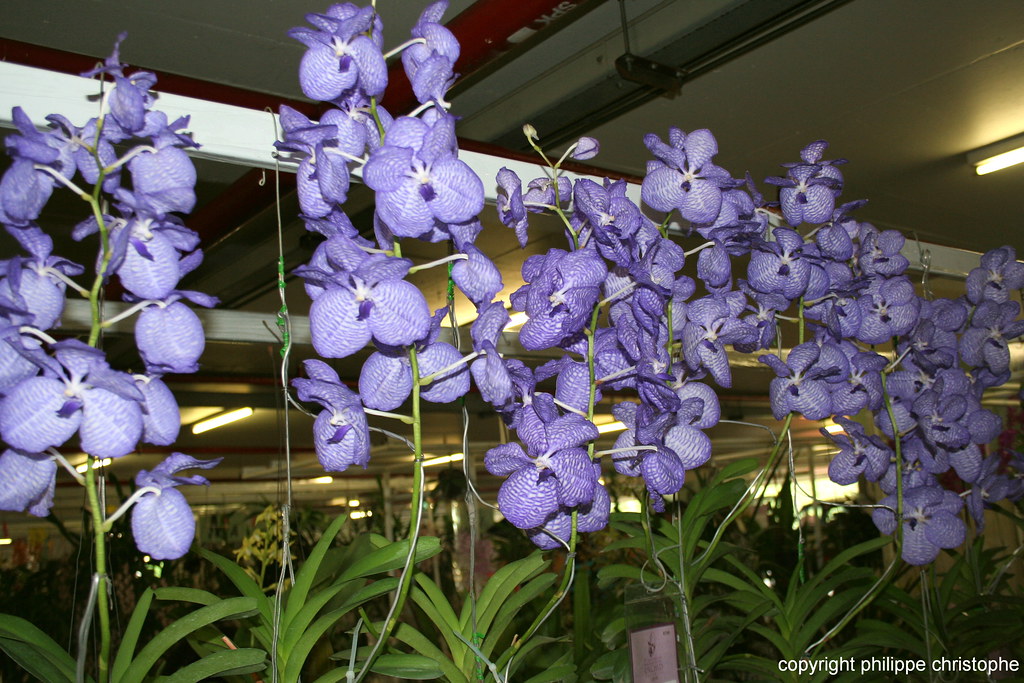
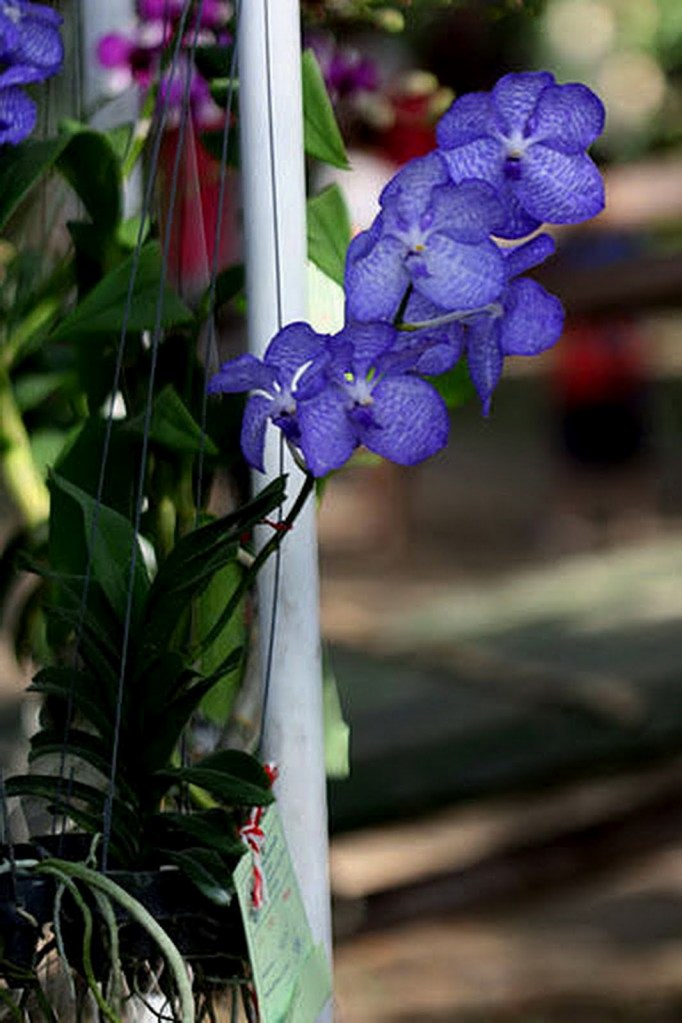
Usually 9 to 12 cm, more or less tessellated, ranging from lavender blue to deep blue, though a complete colour range exists from pure white to violet, including pink forms. Sepals and petals obovate, longer than wide. Petals twisted backward at 90 degrees. Flowers are paler and smaller when opening, becoming more intensely coloured with age. Labellum small for the genus, blue to dark violet. Mid-lobe oblong with two ridges, apex bituberculate. Lateral lobes bent backward and ending in a very fine hook. A true Vanda coerulea can often be distinguished from a hybrid by these two features alone. A single cross is enough for the hook to become less pronounced, blunt, or absent altogether. A trained eye will then easily distinguish the species from a hybrid.
Inflorescence
6 to 20 flowers. The inflorescence, erect or suberect, may reach up to 80 cm.
Plant size and leaves
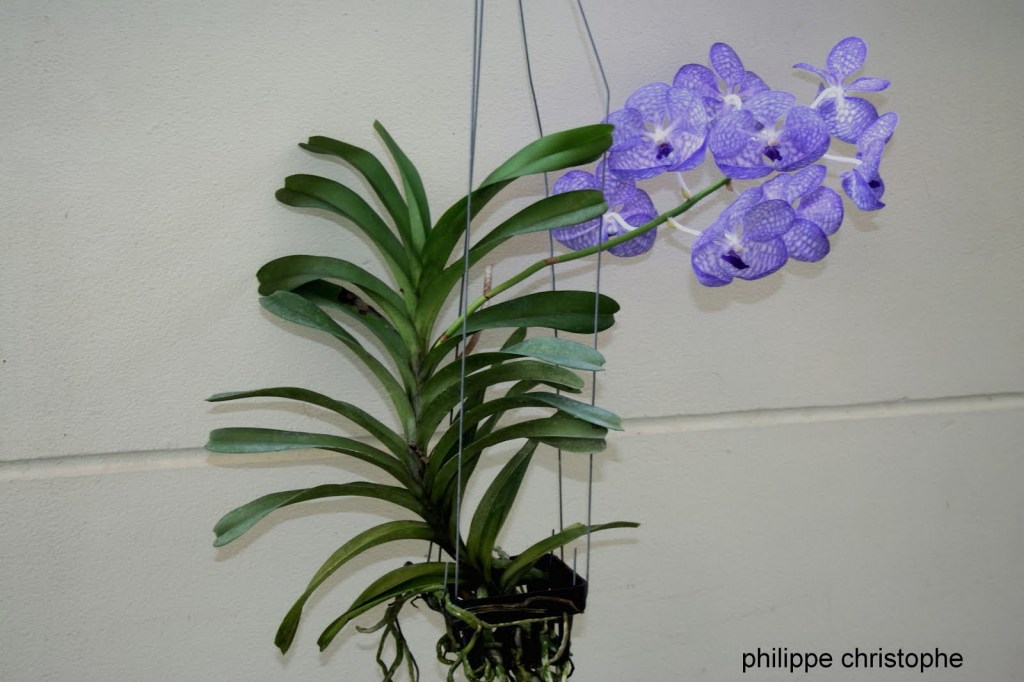
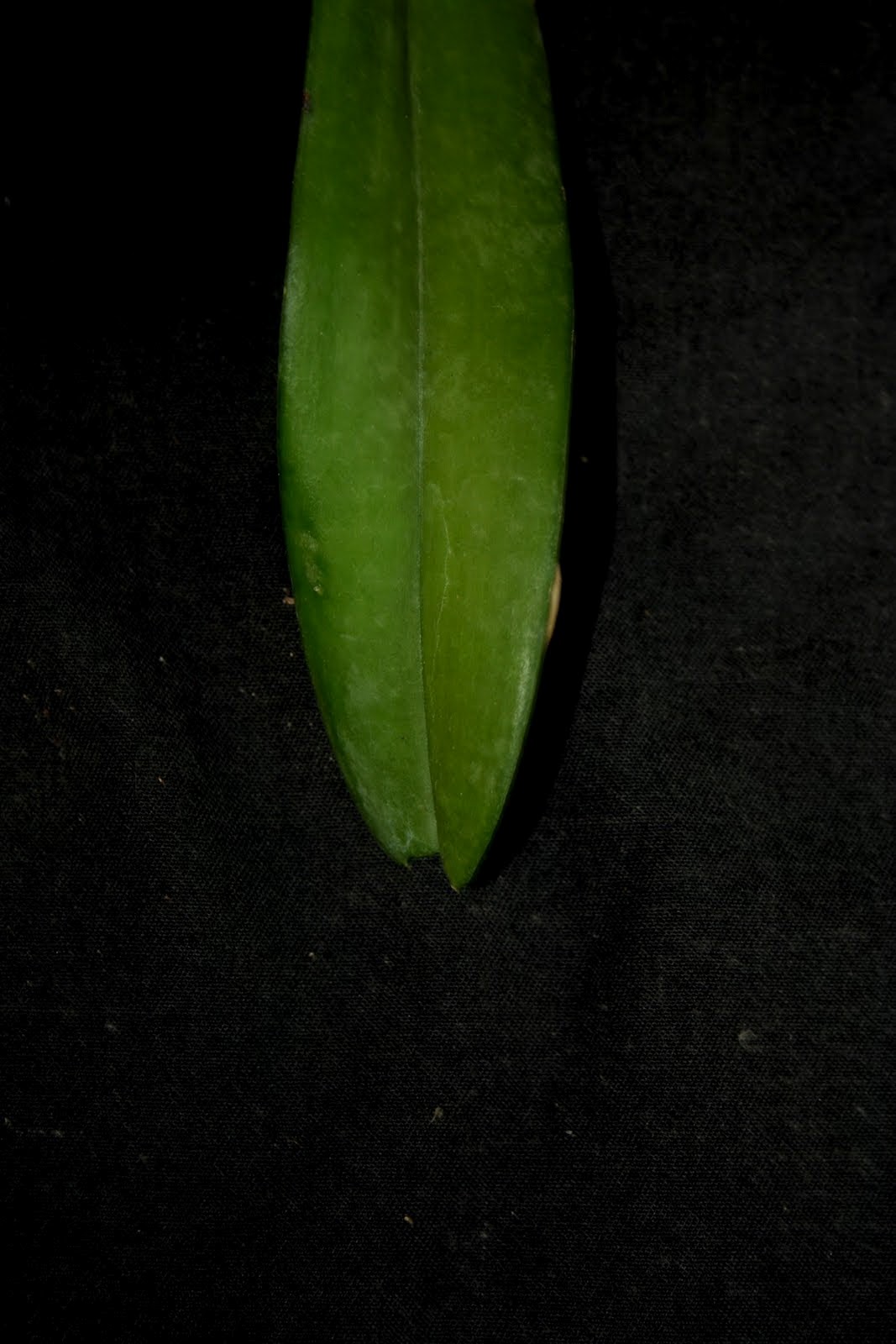
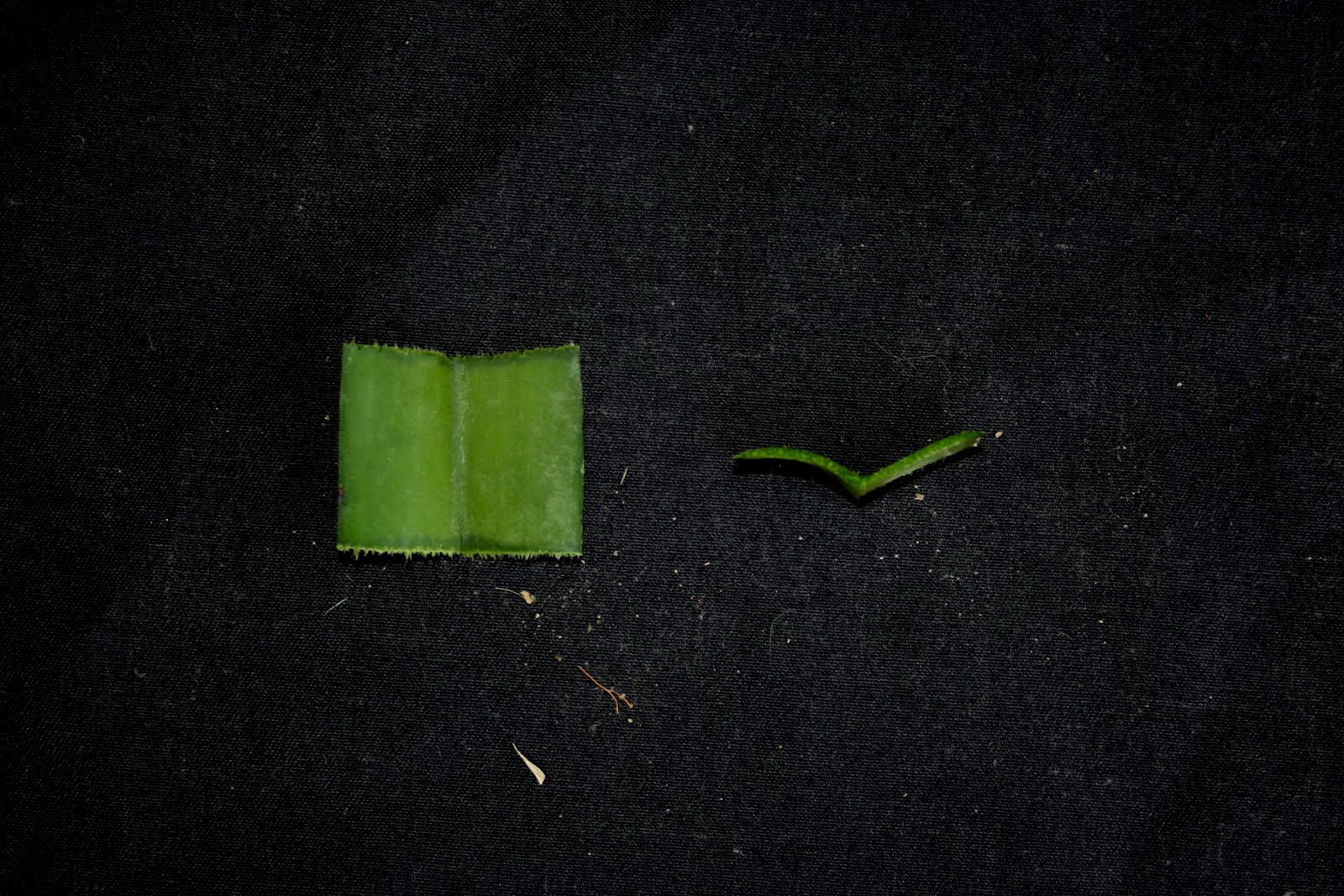
Large-sized plant that may exceed 1.50 m. However, specimens under 30 cm flower readily. The habit of the plant, together with the shape of the lateral lobes, allows an experienced grower to recognize a true Vanda coerulea immediately: the leaves form an extremely open angle with the stem, and the plant rarely exceeds 25 cm in width. Leaves coriaceous, ligulate, distichous, dentate at the apex, and forming a more open angle with the stem than in most other species.
Vanda coerulea f. alba
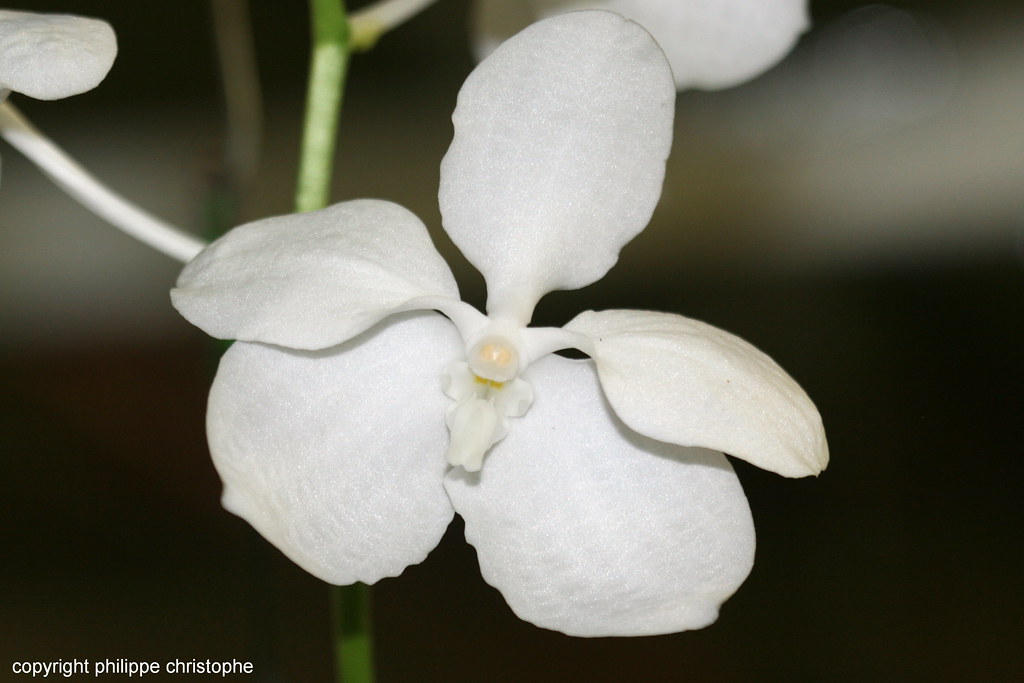
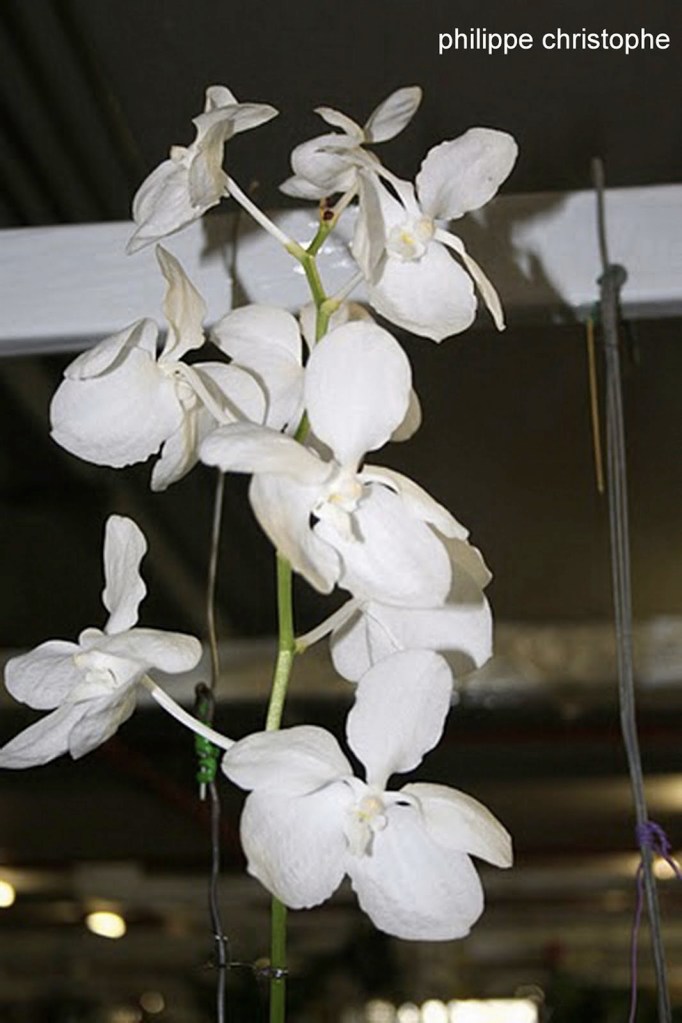
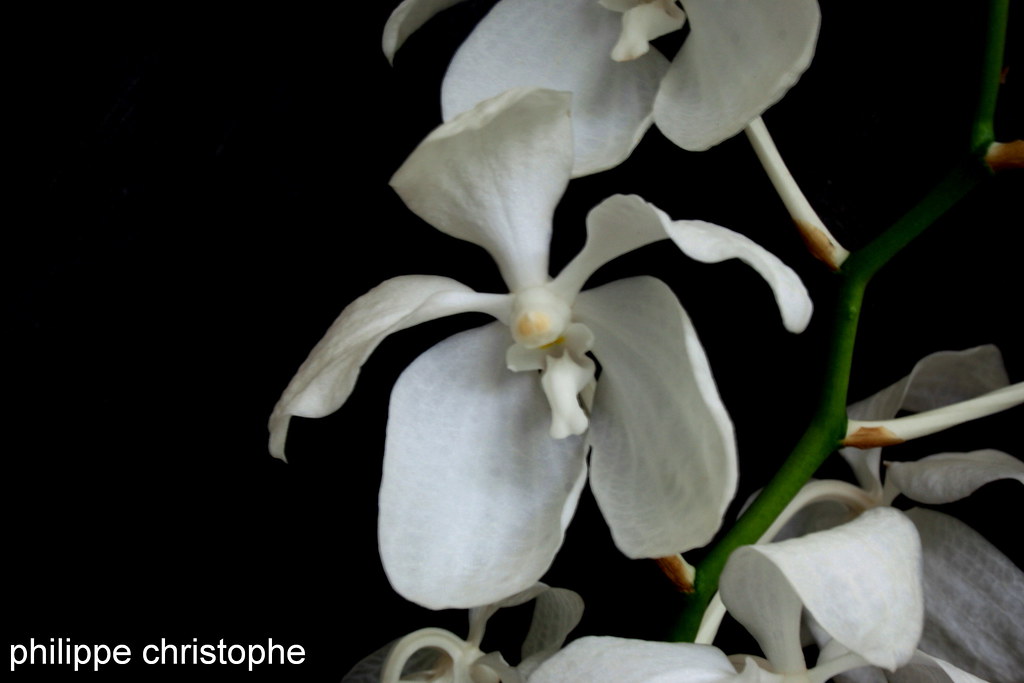
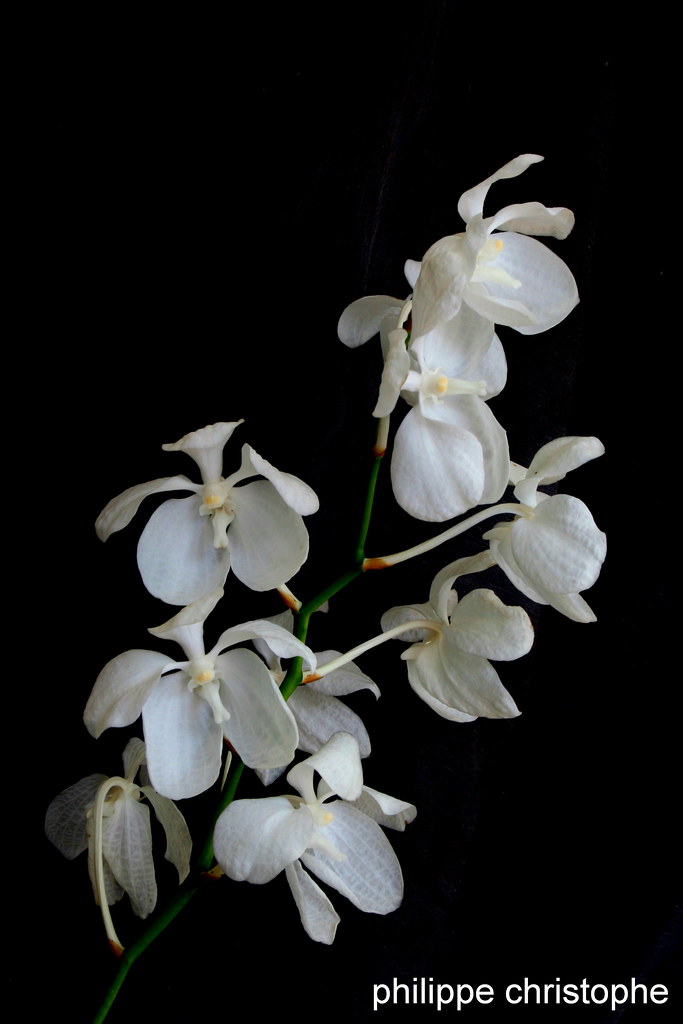
Vanda coerulea f. alba is a highly sought-after rarity. The entire flower is pure, immaculate white—a whiteness unmatched in the genus Vanda.
In August 2008, Rajkumar Kishor described Vanda coerulea f. luwangalba from a plant in northeastern India. However, as the flowers display slight blue tinges, particularly at the tips of the petals and sepals, this form cannot be considered true alba.
The name luwangalba honors Luwangba Arambam, who collected and cultivated this form in the state of Manipur, northeastern India.
Distribution
To date, plants of Vanda coerulea f. alba are primarily sourced from Thailand.
Vernacular names
Moe Lone Hmine Ahphyu in Myanmar. In the state of Manipur, India: Kwaklei Angouba (ক্ৱাক লৈ অঙৌবা). In Thailand: Fa Mui Pheuak (ฟ้ามุ่ยเผือก).
Flowers, inflorescence, and plant
Identical to the type species. Flowers are pure white, including the labellum.
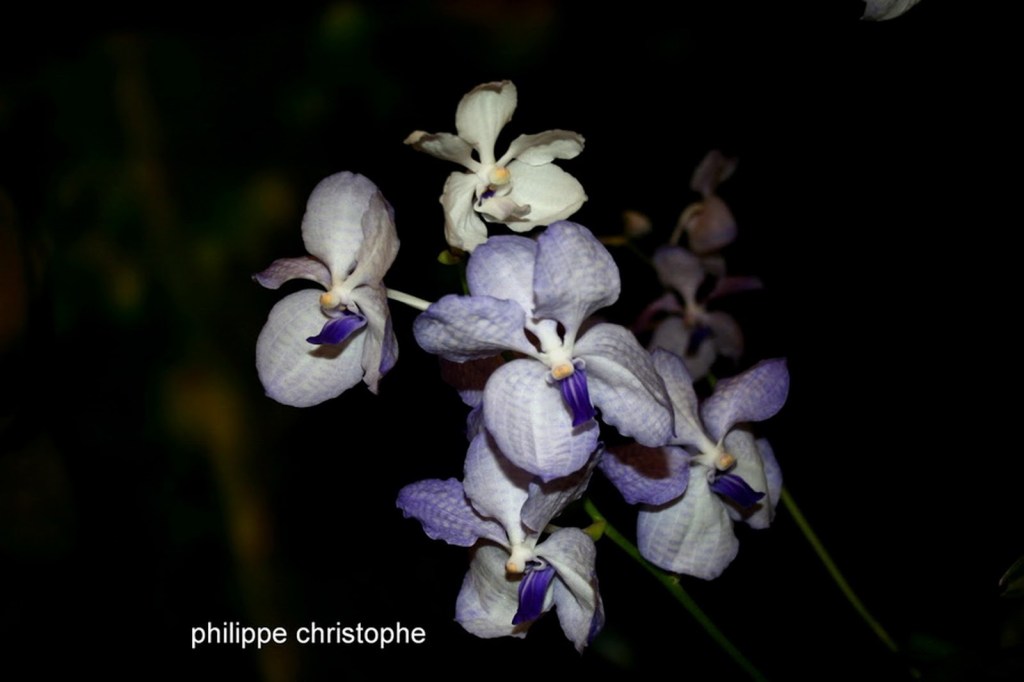
Vanda coerulea f. rogersii
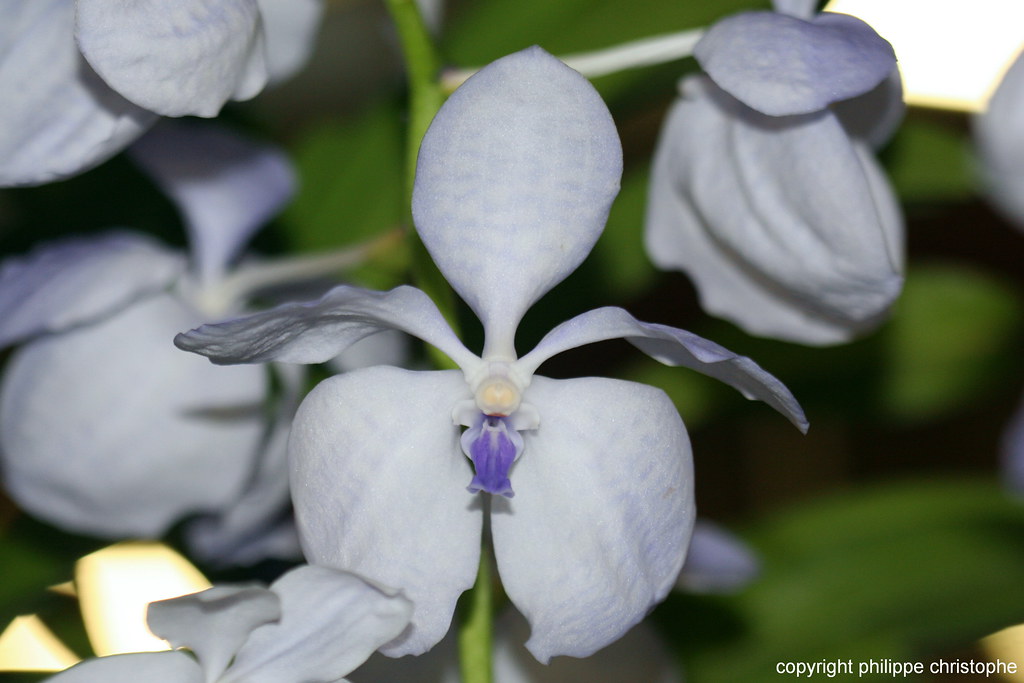
(Rolfe) Christenson 2009
Section Longicalcarata
Cited by Rolfe in 1914: “A spike of Vanda coerulea Rogersii (capitalization in the original), a distinct, nearly white variety, with flowers of moderate size and unusually long spur is sent from the collection of O. O. Wrigley, Esq., Bridge Hall, Bury…”
In 2009, Eric A. Christenson published it in a modern botanical form, though Vanda coerulea f. rogersii is not recognized as a valid taxon by Kew, which lists it as a synonym of Vanda coerulea.
Vanda coerulea f. rogersii is an attractive and relatively widespread form but is rarely correctly identified. The palest forms attracted collectors very early, which probably explains its early mention in horticultural literature.
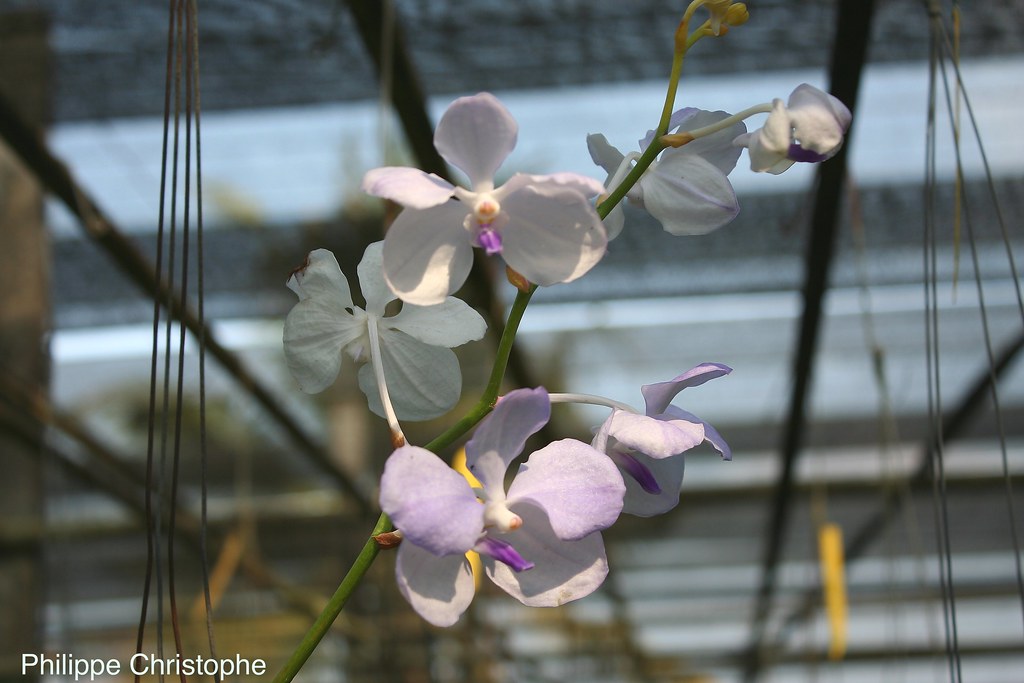
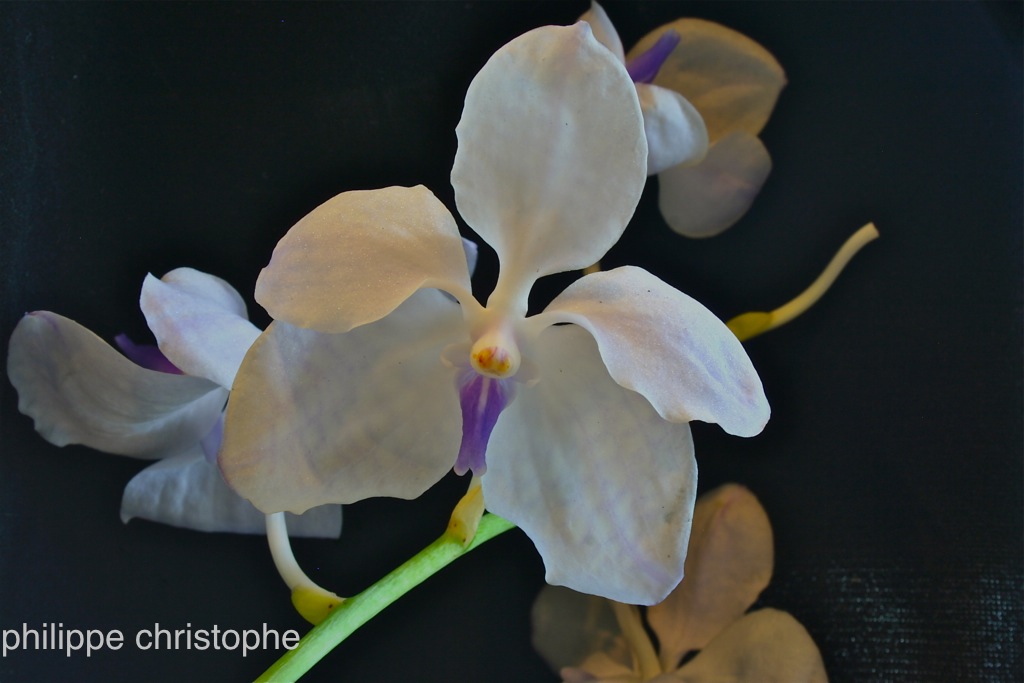
Flowers of this form are nearly white with a faint blue flush, generally indistinct, and the tessellation is almost absent.
The wide colour variation of Vanda coerulea is highly fluctuating, and some forms are not always clearly identifiable. The case of rogersii and the semi-alba form, with white sepals and petals and the species’ characteristic blue-violet lip, illustrates this: the distinction between these two forms is often subtle and may vary between blooms on the same plant.
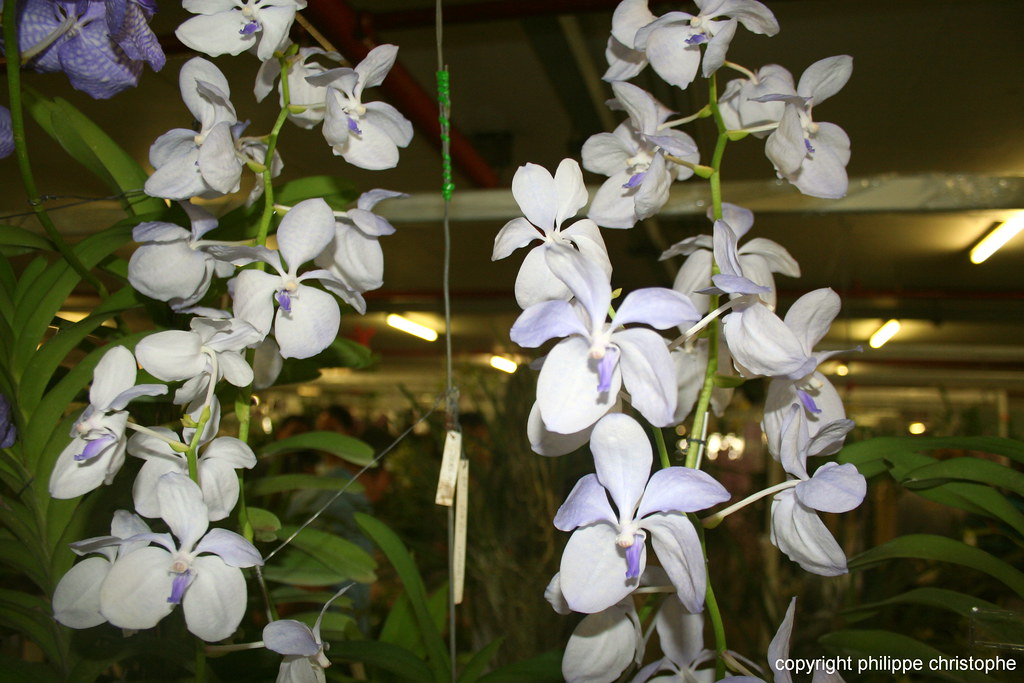
Distribution
Appears to overlap with the natural distribution area of the type species.
Flowers, inflorescence, plant
Identical to those of the type species. Sepals and petals faintly suffused with blue. Lip usually coloured as in the type species, but sometimes whitish marked with blue-violet.
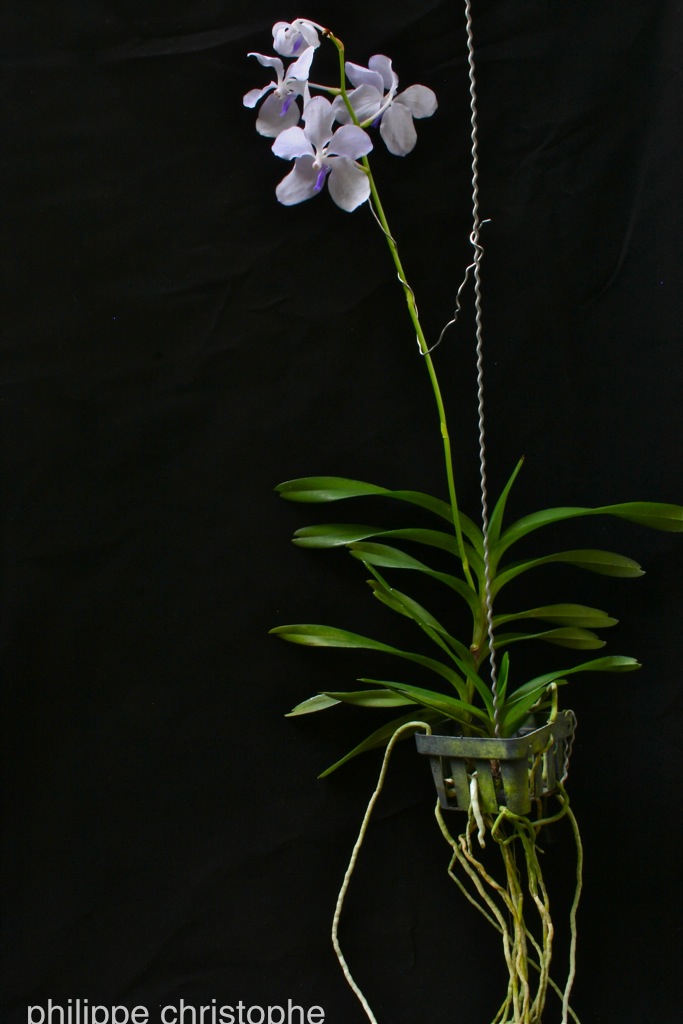
History / Horticultural notes
This form was first noted by Rolfe in 1914, becoming sought-after by early collectors for its pale coloration. It has contributed to horticultural interest in Vanda coerulea, particularly among those cultivating rare and lightly coloured specimens.
Remarks
While Vanda coerulea f. rogersii is visually distinct, Kew treats it as a synonym of the species rather than as a separate taxon. It is prized in collections.
Vanda coerulea f. delicata
(Rolfe) Christenson, 2009
Section Longicalcarata
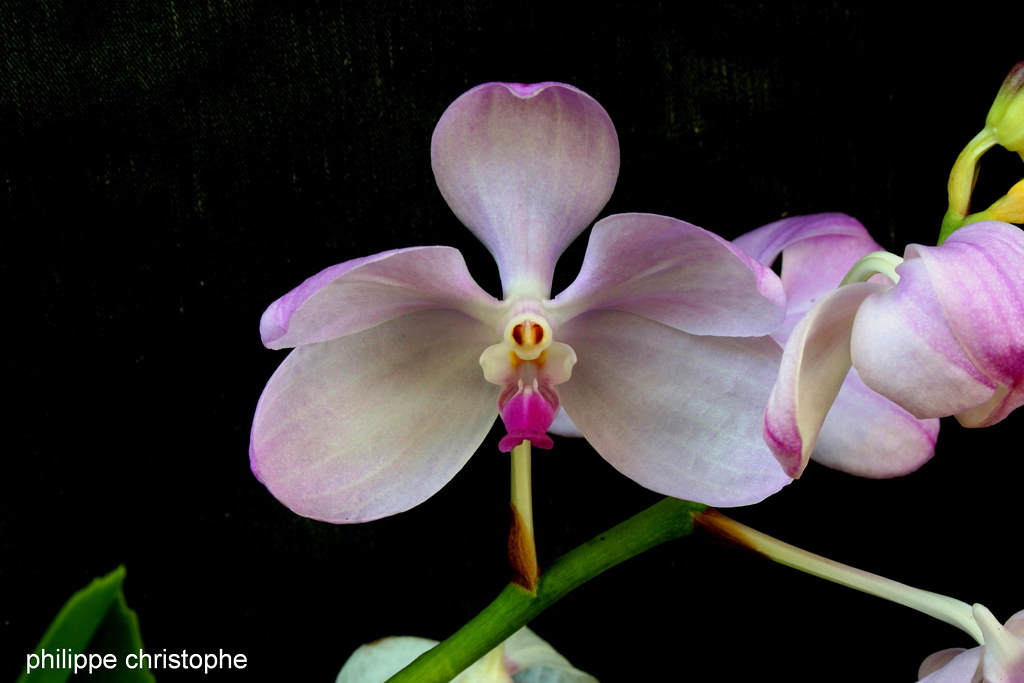
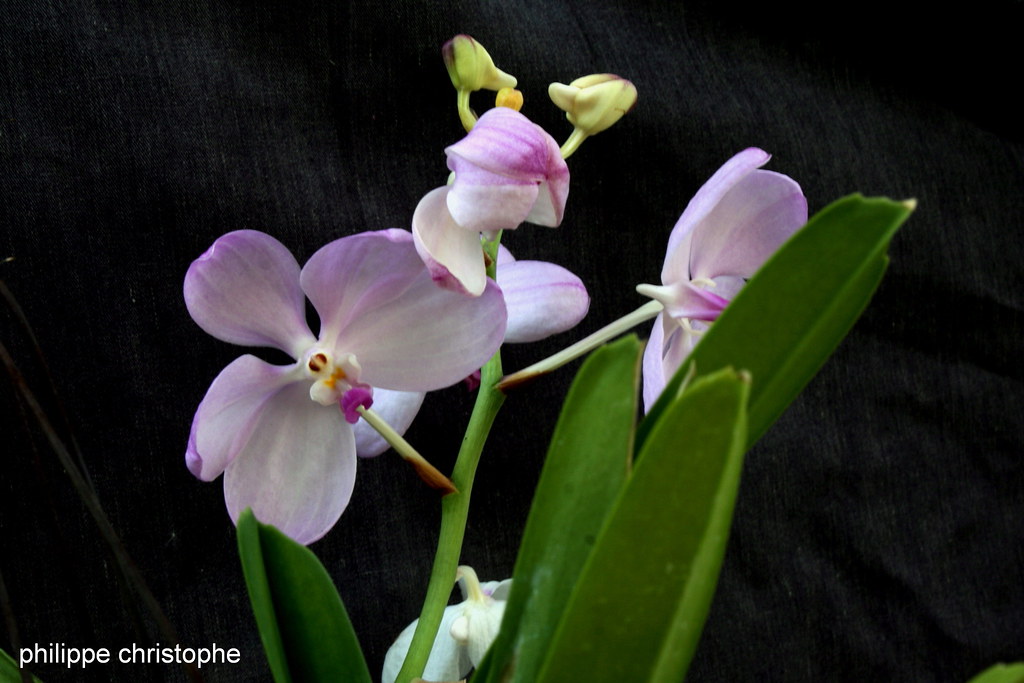
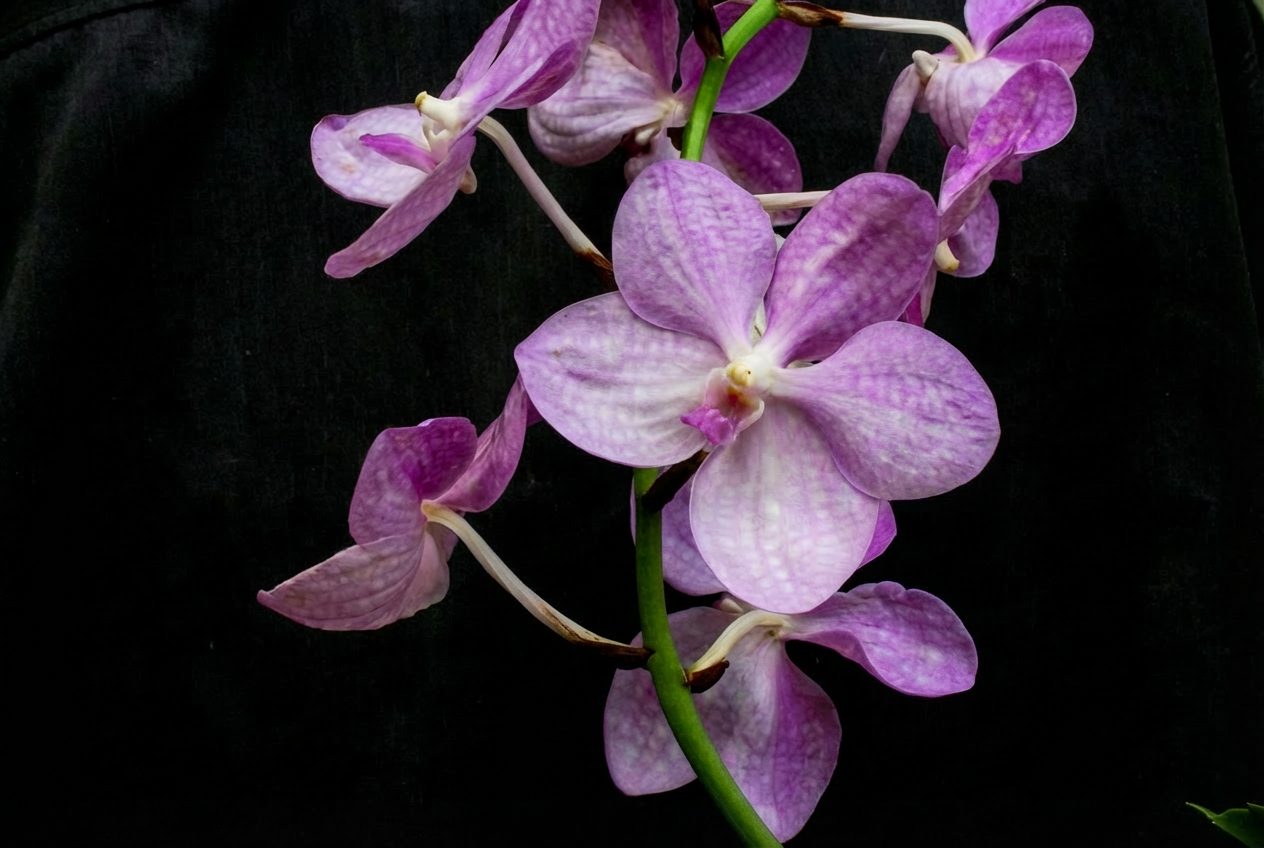
Also sold as Vanda coerulea Pink, or more rarely as Vanda coerulea rosea, Vanda coerulea f. delicata is the soft pastel pink form of the famous Vanda coerulea.
Robert Allen Rolfe first mentioned this form in 1925, reporting in Orchid Review on a meeting of the Manchester Orchid Society where “Vanda coerulea delicata, flower pale pink with bright red lip” was exhibited by Messrs J. & A. McBean. Much later, in 2009, Eric A. Christenson formalized it in modern botanical form in his article The Colour Forms of Vanda coerulea. As with f. luwangalba and f. rogersii, Kew does not recognize these taxa as valid and treats them as synonyms of Vanda coerulea. They are nevertheless clearly different and easily distinguished visually.
Rarely encountered in cultivation, this form has nevertheless been widely used in hybridization by growers. Many pink Vanda hybrids, especially tessellated ones but not exclusively, originate from crosses involving pink Vanda coerulea parents.
The flowers shown on this blog are very lightly pink and without tessellation. However, some plants of this form display flowers with a much deeper pink coloration and strongly tessellated segments.
Distribution
Appears to overlap with the natural distribution area of the type species.
Vernacular names
Moe Lone Hmine Pan Yaung in Myanmar. In Thailand: Fa Mui Chompu.
Flowers, inflorescence, and plant
Identical to those of the type species. Lip pink; sepals and petals pastel pink, more or less intense, tessellated or not.
Version française
Vanda coerulea
Griffith ex Lindley, 1847
Section Longicalcarata
Vous trouverez ci-dessous les autres formes colorées de Vanda coerulea décrites mais non reconnues par Kew. Faites défiler la page pour découvrir chaque forme en détail.
f. alba, la forme blanche pure
f. delicata, la forme rose
f. rogersii, la forme bleu pâle
Espèce légendaire au sein du genre, Vanda coerulea est véritablement exceptionnelle par la taille, la forme, la texture et bien sûr la couleur de ses fleurs.
Le bleu étant une couleur très rarement rencontrée chez les orchidées, Vanda coerulea a joué un rôle majeur dans l’hybridation. Tous les hybrides de Vanda à fleurs bleues, ainsi que de nombreux hybrides intergénériques (Vandachostylis, Renantanda, etc.), comptent cette espèce parmi leurs parents. Mais la contribution de Vanda coerulea à l’hybridation ne s’arrête pas à la couleur : les plantes sont tolérantes au froid, vigoureuses, florifères, et fleurissent souvent plusieurs fois par an, produisant de nombreuses grandes fleurs sur une hampe bien dégagée au-dessus du feuillage ; l’espèce transmet fréquemment ces caractéristiques à sa descendance. Les fleurs tessellées observées chez de nombreux hybrides, notamment roses, proviennent également de Vanda coerulea.
En 1970, cette espèce fut inscrite à l’Annexe I de la CITES, mais à la suite de la découverte récente de nouvelles populations, elle a été rétrogradée à l’Annexe II. C’est une nouvelle encourageante, mais on ne peut qu’espérer que ces sites seront préservés et non pillés : des plantes issues de prélèvements sauvages, probablement originaires de l’État Shan en Birmanie, se trouvent déjà en vente sur les marchés frontaliers et même à Bangkok.
On trouve sur le marché des plantes dites « améliorées » de Vanda coerulea, par opposition aux plantes dites « jungle type », présentant des pétales et sépales aussi longs que larges, sans espace entre eux, et de très grandes fleurs aux pétales non torsadés. Elles résultent de multiples croisements destinés à satisfaire les amateurs recherchant des spécimens spectaculaires. Ce sont également ces plantes que l’on voit le plus souvent en concours. Toutefois, les lobes latéraux recourbés en crochet très marqué, caractère essentiel de Vanda coerulea, sont souvent absents chez ces formes dites « améliorées ». Les feuilles sont également plus longues que chez les plantes rencontrées dans leur habitat naturel.
De fait, Martin Motes indique dans son ouvrage consacré au genre Vanda que, selon des analyses ADN réalisées par le Dr Surawit Wannakrairoj en Thaïlande, ces plantes améliorées sont en réalité des hybrides. Il est donc d’autant plus important de préserver les véritables Vanda coerulea.
Les critères permettant de distinguer facilement un véritable Vanda coerulea d’un hybride sont les lobes latéraux fortement recourbés en crochet, l’angle des feuilles par rapport à la tige, ainsi que la largeur modérée de la plante.
Caeruleus en latin signifie « bleu », et caerula renvoie à « l’azur du ciel ».
Vanda coerulea est une espèce typiquement montagnarde, capable de supporter de courtes périodes de neige. Pour fleurir dans des conditions optimales, parfois plusieurs fois par an avec des hampes bien fournies, les plantes doivent subir une période de températures plus froides. La principale raison pour laquelle cette magnifique espèce échoue souvent en culture est le non-respect de cette exigence essentielle. Il convient également de noter qu’en raison de ces caractéristiques, Vanda coerulea ne peut pas exprimer pleinement son potentiel lorsqu’elle est cultivée dans les lowlands tropicaux, où les températures restent élevées toute l’année.
Hybrides naturels
À ce jour, deux hybrides naturels de Vanda coerulea sont officiellement décrits : le “historique” Vanda x amoena et le très récemment décrit Vanda x wuii.
Vanda x amoena, hybride naturel entre Vanda coerulea et Vanda tessellata (Vanda roxburghii à l’époque), a été documenté dès 1897 dans The Gardiner’s Chronicle et, de manière erronée toutefois, dans Lindenia 13: t. 591. Les illustrations historiques de Nellie Roberts représentent des fleurs aux teintes plutôt pastel, traduisant des caractères hérités des deux parents. Il convient de noter qu’en 1959, l’hybridation artificielle entre Vanda coerulea et Vanda tessellata a été enregistrée sous le nom de Vanda Violeta. Les observations photographiques révèlent un croisement assez différent des esquisses de Nellie Roberts, avec une influence nettement plus marquée de Vanda coerulea que de Vanda tessellata. La base de données de Kew situe la répartition de Vanda x amoena en Assam et dans les États du nord-est de l’Inde.
À l’inverse, c’est très récemment, en 2021, qu’a été décrit Vanda x wuii, hybride naturel entre Vanda coerulea et Vanda brunnea. Il a été nommé en hommage à Wu Yupeng, qui l’a découvert. La documentation disponible dans The Natural Genus Vanda permet d’observer une plante et des fleurs extrêmement proches de Vanda coerulea, mais présentant une coloration violacé-brun ainsi que de larges lobes latéraux circulaires et un labelle long, arqué et fortement divergent, clairement hérités de Vanda brunnea. L’habitat de Vanda x wuii reste pour l’instant incertain, la description ayant été réalisée à partir de plantes originaires du sud de la Chine.
Distribution
Nord de la Birmanie (Myanmar), sud et sud-ouest du Yunnan en Chine, nord-est de l’Inde (collines Khasi, Assam) et nord de la Thaïlande.
Nom vernaculaires
Myanmar : Moe Lone Hmine
Chine : Da Hua Wan Dai Lan (大花万代兰)
Manipur (Inde) : Kwak Lei (ক্ৱাকলৈ)
Thaïlande : Fa Mui
Fleurs
Habituellement de 9 à 12 cm, plus ou moins tessellées, allant du bleu lavande au bleu profond, bien qu’il existe une gamme complète de couleurs allant du blanc pur au violet, incluant également des formes roses. Sépales et pétales obovales, plus longs que larges. Pétales recourbés vers l’arrière à 90 degrés. Les fleurs sont plus pâles et plus petites à l’ouverture, puis deviennent plus intensément colorées avec l’âge. Labelle petit pour le genre, bleu à violet foncé. Lobe médian oblong portant deux crêtes, apex bituberculé. Lobes latéraux recourbés vers l’arrière et se terminant par un crochet très fin. Un véritable Vanda coerulea peut souvent être distingué d’un hybride par ces deux seuls caractères. Un seul croisement suffit pour que le crochet devienne moins prononcé, émoussé ou totalement absent. Un œil exercé distinguera alors facilement l’espèce d’un hybride.
Inflorescence
6 à 20 fleurs. L’inflorescence, dressée ou subdressée, peut atteindre 80 cm de longueur.
Taille de la plante et feuilles
Grande plante pouvant dépasser 1,50 m. Cependant, des sujets de moins de 30 cm fleurissent facilement. Le port de la plante, associé à la forme des lobes latéraux, permet à un cultivateur expérimenté de reconnaître immédiatement un véritable Vanda coerulea : les feuilles forment un angle extrêmement ouvert avec la tige, et la plante dépasse rarement 25 cm de largeur. Feuilles coriaces, ligulées, distiques, dentées à l’apex, formant un angle plus ouvert avec la tige que chez la plupart des autres espèces.
Vanda coerulea f. alba
Vanda coerulea f. alba est une rareté très recherchée. La fleur entière est d’un blanc pur, immaculé — une blancheur inégalée dans le genre Vanda.
En août 2008, Rajkumar Kishor a décrit Vanda coerulea f. luwangalba à partir d’une plante originaire du nord-est de l’Inde. Cependant, comme les fleurs présentent de légères nuances bleutées, notamment à l’extrémité des pétales et des sépales, cette forme ne peut être considérée comme un véritable alba.
Le nom luwangalba rend hommage à Luwangba Arambam, qui a collecté et cultivé cette forme dans l’État du Manipur, au nord-est de l’Inde.
Distribution
À ce jour, les plantes de Vanda coerulea f. alba proviennent principalement de Thaïlande.
Noms vernaculaires
Moe Lone Hmine Ahphyu en Birmanie. Dans l’État du Manipur, en Inde : Kwaklei Angouba (ক্ৱাক লৈ অঙৌবা). En Thaïlande : Fa Mui Pheuak (ฟ้ามุ่ยเผือก).
Fleurs, inflorescence et plante
Identiques à l’espèce type. Les fleurs sont entièrement blanches, y compris le labelle.
Vanda coerulea f. rogersii (Rolfe) Christenson 2009
Section Longicalcarata
Cité par Rolfe en 1914 : « Une hampe de Vanda coerulea Rogersii (citation originale respectée, majuscule conservée), une variété distincte, presque blanche, avec des fleurs de taille modérée et un éperon exceptionnellement long, est envoyée depuis la collection de M. O. O. Wrigley, Bridge Hall, Bury… »
En 2009, Eric A. Christenson l’a publié sous une forme botanique moderne, bien que Vanda coerulea f. rogersii ne soit pas reconnu comme taxon valide par Kew, qui le considère comme synonyme de Vanda coerulea.
Vanda coerulea f. rogersii est une forme attrayante et relativement répandue, mais rarement correctement identifiée. Les formes les plus pâles ont attiré très tôt les collectionneurs, ce qui explique probablement sa mention précoce dans la littérature horticole.
Les fleurs de cette forme sont presque blanches avec un léger voile bleu, généralement peu marqué, et la tessellation est presque absente.
La large variation de couleur de Vanda coerulea est très fluctuante, et certaines formes ne sont pas toujours clairement identifiables. Le cas de rogersii et de la forme semi-alba, avec sépales et pétales blancs et le labelle bleu-violet caractéristique de l’espèce, l’illustre bien : la distinction entre ces deux formes est souvent subtile et peut varier d’une floraison à l’autre sur une même plante.
Distribution
Semble se superposer à l’aire naturelle de répartition de l’espèce type.
Fleurs, inflorescence, plante
Identiques à celles de l’espèce type. Sépales et pétales faiblement teintés de bleu. Labelle généralement coloré comme chez l’espèce type, mais parfois blanchâtre marqué de bleu-violet.
Historique / notes horticoles
Cette forme fut d’abord signalée par Rolfe en 1914, devenant recherchée par les premiers collectionneurs en raison de sa coloration pâle. Elle a contribué à l’intérêt horticole pour Vanda coerulea, en particulier chez les amateurs cultivant des spécimens rares et faiblement colorés.
Remarques
Bien que Vanda coerulea f. rogersii soit visuellement distincte, Kew la considère comme un synonyme de l’espèce plutôt que comme un taxon séparé. Elle reste très appréciée dans les collections.
Vanda coerulea f. delicata (Rolfe) Christenson, 2009
Section Longicalcarata
Également commercialisée sous le nom de Vanda coerulea Pink, ou plus rarement sous celui de Vanda coerulea rosea, Vanda coerulea f. delicata correspond à la forme rose pastel tendre de la célèbre Vanda coerulea.
Robert Allen Rolfe mentionna cette forme pour la première fois en 1925, rapportant dans Orchid Review une réunion de la Manchester Orchid Society où « Vanda coerulea delicata, flower pale pink with bright red lip » était exposée par Messrs J. & A. McBean. Bien plus tard, en 2009, Eric A. Christenson la formalisa sous une forme botanique moderne dans son article The Colour Forms of Vanda coerulea. Comme pour f. luwangalba et f. rogersii, Kew ne reconnaît pas ces taxons comme valides et les traite comme synonymes de Vanda coerulea. Ils sont néanmoins clairement distincts et facilement reconnaissables visuellement.
Rarement rencontrée en culture, cette forme a pourtant été largement utilisée dans les hybridations par les producteurs. De nombreux hybrides roses de Vanda, en particulier les formes tessellées mais pas exclusivement, proviennent de croisements impliquant des parents roses de Vanda coerulea.
Les fleurs présentées sur ce blog sont très légèrement roses et dépourvues de tessellation. Cependant, certaines plantes de cette forme présentent des fleurs d’un rose beaucoup plus soutenu avec des segments fortement tessellés.
Distribution
Semble se superposer à l’aire naturelle de répartition de l’espèce type.
Noms vernaculaires
Moe Lone Hmine Pan Yaung en Birmanie. En Thaïlande : Fa Mui Chompu.
Fleurs, inflorescence et plante
Identiques à celles de l’espèce type. Labelle rose ; sépales et pétales rose pastel, d’intensité variable, tessellés ou non.
References / Bibliography
Roguenant, C. & Chiron, G. (2003). Vandas et genres voisins des orchidées spectaculaires. Belin, Tropicalia. Link
Grove, D. L. (1995). Vandas and Ascocendas and their Combinations with Other Genera. Timber Press. Link
Motes, M. R. (2021). The Natural Genus Vanda: A Monograph. Redland Press. Link
Motes, M. R. Vanda: Their Botany, History and Culture. Redland Press. Link
O’Byrne, P. (2001). A to Z of South East Asian Orchid Species. Orchid Society of South East Asia. Link
Cribb, P. & Gardiner, L. (2013). Vandas that Amazed the World: Vanda coerulea and Vanda sanderiana. Renziana Vol. 3.
Plants of the World Online, Royal Botanic Gardens, Kew. Vanda coerulea (accepted species). Link — authoritative taxonomic treatment and native range.
Martin Motes — Unraveling a Rainbow: Vanda coerulea and the Blues, American Orchid Society Bulletin, Volume 57, Number 9, September 1988.
Martin Motes — Unraveling a Rainbow: Our Modern Pink Hybrids, American Orchid Society Bulletin, Volume 57, Number 10, October 1988.
Rolfe, R.A. (1914). Vanda coerulea var. rogersii. Orchid Review 22: 31.
Wolfe, A. (1925). Notes on Vanda coerulea and related forms. Orchid Review 33: 318.
Christenson, E. A. (2009). The colour forms of Vanda coerulea. Orchid Review 117(1288): 222.
Personal observations on Vanda coerulea f. delicata, author, 2026.

